


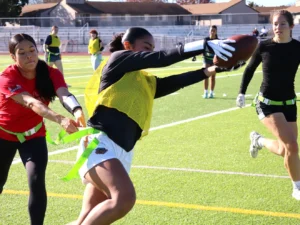






Youth sports in America are changing quickly and dramatically. According to BSN SPORTS’ new Club Sports Index, one of the largest surveys of its kind, the club sports landscape has shifted from casual weekend leagues into a highly competitive environment that shapes confidence, opportunity, and long-term athletic development. The study surveyed 2,000 athletes, 2,000 parents, and 150 club owners nationwide, revealing rising expectations, increasing costs, and a deeper level of commitment required from both families and players. Understanding these shifts is essential for parents, coaches, and student athletes who want to navigate modern club sports with clarity and confidence.
The research shows that youth sports have become one of the most influential forces in shaping personal growth, resilience, and community belonging. Motivation is shifting away from social recreation and toward long-term goals such as skill advancement and collegiate opportunities. Time commitments are rising as practices, tournaments, and travel expectations expand. Costs continue to increase, creating pressure on families and widening gaps in accessibility. At the same time, parents and athletes expect higher professionalism from clubs, including structured development and more knowledgeable coaching.
Below are the key insights for families, along with practical guidance for parents and student athletes.
Tips for Parents
Understand the full commitment before joining a club. Ask about travel expectations, off season requirements, additional fees, and overall scheduling impact. Clarifying these details early helps prevent burnout for both the athlete and the family.
Choose programs that value development over wins. Ask clubs how they measure growth, how they support multi sport athletes, and how they approach workload and injury prevention. The best programs focus on long-term development rather than short-term results.
Monitor emotional impact as closely as financial cost. Beyond travel and gear fees, club sports require emotional time from everyone involved. Consider family schedules, social sacrifices, and performance pressure. These factors play a major role in athlete wellbeing.
Protect your athlete from burnout. As expectations rise, so do concerns about overtraining, pressure, and early specialization. Regular check ins with your athlete help you understand how they are coping physically and emotionally.
Remember that parents shape the athlete experience. Supportive communication helps children stay grounded. Ask questions such as “What did you learn today” or “What part felt fun” to reinforce growth instead of outcome driven conversations.
Tips for Student Athletes
Focus on building your foundation. Club sports can create exposure, but strong fundamentals, good habits, and consistent effort create long-term opportunities. Commit to developing coachability, discipline, recovery habits, and personal accountability.
Learn to manage pressure early. With tryouts, evaluations, rankings, and travel competitions, today’s athletes experience pressure sooner than ever. Practice tools like breathing routines, positive self talk, and reflection to build mental resilience.
Advocate for yourself. If you have concerns about position, communication, or development, speak respectfully with coaches. Learning to express your needs prepares you for high school, college, and beyond.
Be a multi dimensional athlete. Even as clubs encourage specialization, research shows benefits to playing multiple sports. Multi sport athletes tend to experience fewer injuries, develop broader athletic intelligence, and remain more versatile.
Stay connected to your love for the game. In the intensity of club sports, it is easy to lose sight of the joy in competing, improving, and being part of a team. Remember the reasons you started and keep those at the center of your journey.
The Bottom Line
The BSN SPORTS Club Sports Index shows that youth club sports are evolving into a more demanding and more influential arena. Families who understand this landscape can make informed choices, establish healthy expectations, and support their athletes with confidence. Youth sports remain one of the most powerful environments for growth and identity. With the right knowledge and balanced perspective, parents and student athletes can thrive in this new era without losing sight of the lessons that matter most.