


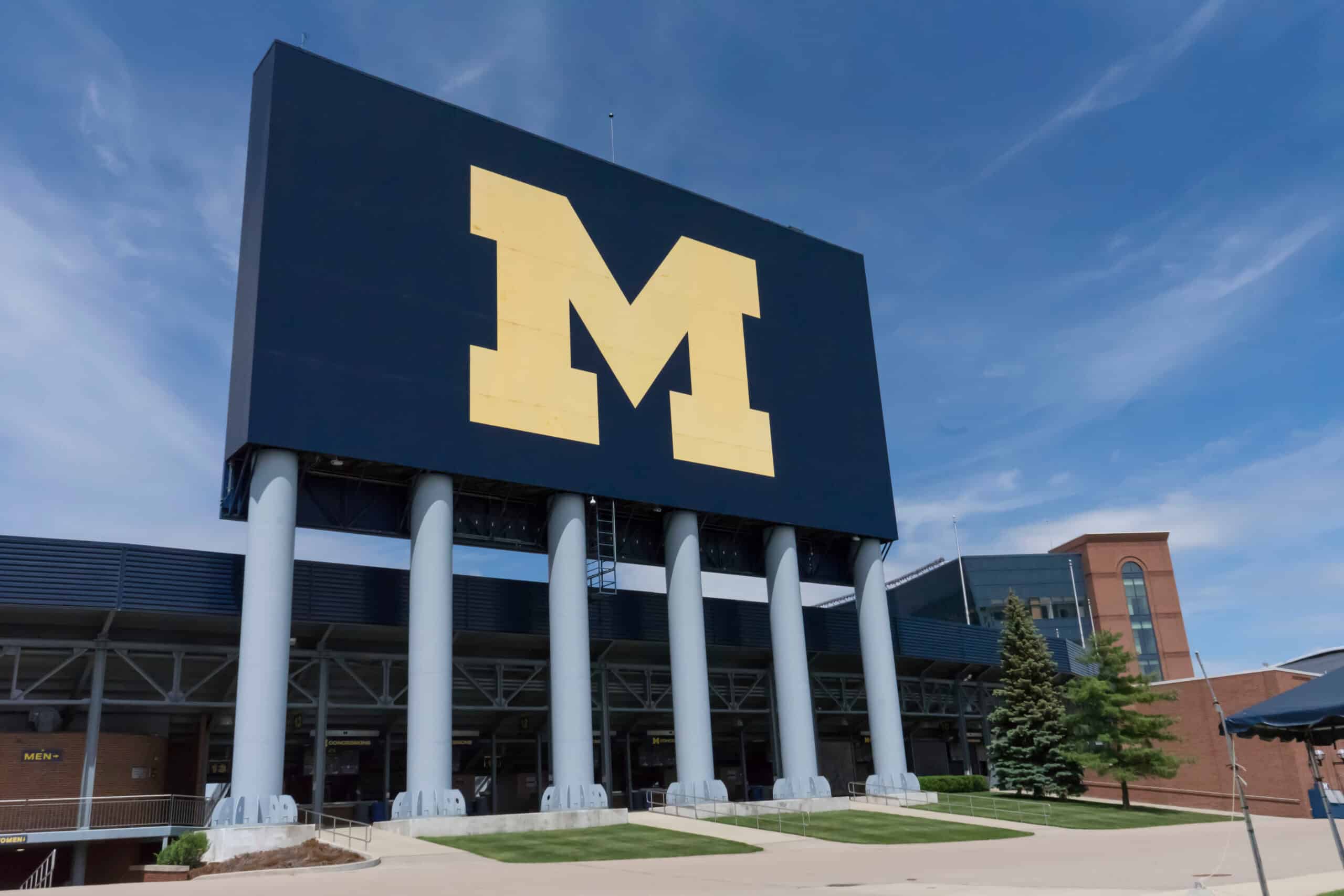
The NCAA has officially delivered its long-awaited ruling on the University of Michigan football program following its high-profile infractions case, wrapping up nearly two years of investigation. The Committee on Infractions determined that Michigan committed multiple serious violations, largely centered on an organized sign-stealing operation orchestrated by former staffer Connor Stalions, as well as impermissible recruiting activities and failures to monitor the program.
According to the NCAA decision, Stalions oversaw an in-person scouting and sign-stealing scheme during the 2021, 2022, and 2023 football seasons, violating NCAA rules that prohibit off-campus, in-person scouting of future opponents. The investigation substantiated these findings with interviews, ticket receipts, and electronic data. Head coach responsibility violations were levied against both former head coach Jim Harbaugh and current head coach Sherrone Moore. The NCAA cited not only the direct actions but also a clear lack of oversight and a culture that dismissed compliance efforts.
Recruiting violations and failures to monitor added to Michigan’s infractions tally. Testimony indicated that compliance officers’ warnings and attempts at oversight were largely disregarded by the football program’s leadership, fostering an environment in which rules could be bent—or broken—with few internal consequences.
NCAA Penalties Imposed on Michigan
The penalties, announced by the Committee on Infractions, are considerable, but the NCAA stopped short of imposing a postseason ban, opting to avoid unfairly penalizing current student-athletes. Here are the major sanctions:
- Four years of NCAA probation for the football program.
- A multimillion-dollar fine tied to the anticipated loss of postseason revenue from the next two seasons. Reports put the financial impact at more than $20 million.
- Fines equivalent to 10% of the program’s budget and what would have been scholarship reductions, now converted to finances.
- A $50,000 fine in addition to other financial penalties.
- A 25% reduction in official football visits and a 14-week ban on recruiting communications within the 2025-26 season.
- Show-cause orders: 10 years for Harbaugh, 8 years for Stalions, lesser durations for other staffers, meaning they must seek NCAA approval for further employment within the collegiate system.
- Additional suspension for head coach Sherrone Moore: He will serve an extra one-game suspension, on top of a previously self-imposed two-game ban.
The NCAA noted that Michigan’s violations were classified as Level I-Aggravated, among the most severe, yet the choice not to issue a postseason ban reflected an intent not to punish athletes who were not involved in the wrongdoing. Instead, the hefty fines and recruiting restrictions are aimed at the program’s leadership and institutional oversight.
Stalions, who had become a household name in college football circles for his alleged role, did not cooperate with NCAA investigators. Meanwhile, Harbaugh now coaches in the NFL and faces a 10-year show-cause order, sharply limiting his ability to return to the collegiate ranks. Moore, who succeeded Harbaugh, is subject to additional discipline for his role, but the NCAA classified his violations as Level II.
Moving forward, Michigan’s football program faces several years of heightened scrutiny and reduced resources as it looks to rebuild credibility. The university has pledged to cooperate with the NCAA’s ongoing oversight and to implement additional compliance measures in an effort to restore trust.
Today’s decision brings some closure to a saga that has shaped narratives across college football since 2023. The message from the NCAA is clear: actions aimed at gaining an unfair on-field advantage will carry significant financial and reputational risks, for both individuals and institutions alike.
